
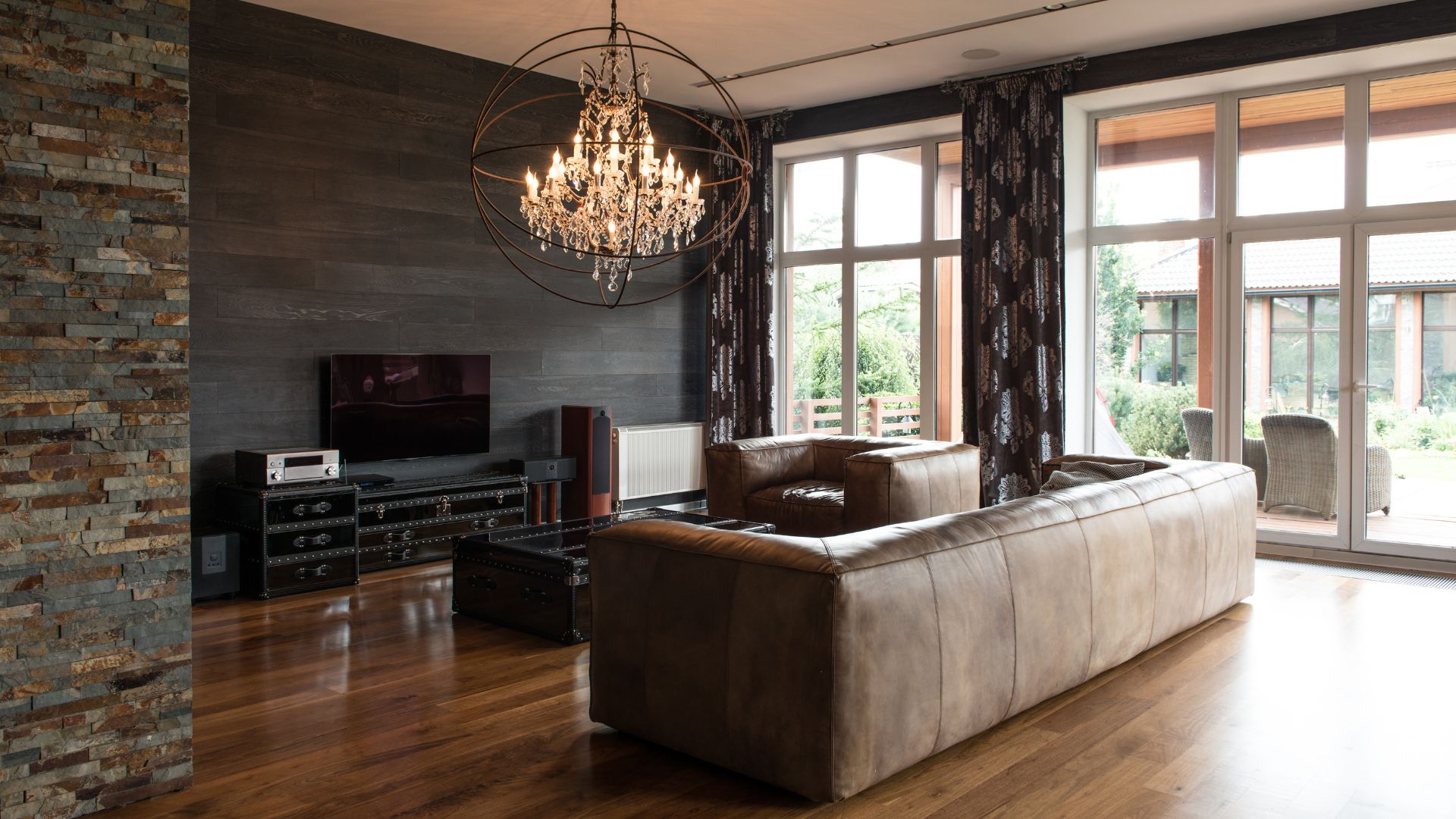
Behind every beautifully designed home in Rhode Island is a process that blends creativity, technical skill, and a deep understanding of how people live. From coastal retreats in Newport to historic homes in Providence and modern suburban residences across the state, interior designers play a central role in shaping spaces that feel both personal and intentional.
When searching for an Interior Designer Rhode Island, homeowners are often surprised to learn just how much work happens behind the scenes. It is not just about choosing furniture or colors. It is about solving spatial challenges, interpreting lifestyles, coordinating with contractors, and turning ideas into fully realized environments.
Rhode Island’s interior designers are known for their ability to balance history, coastal influence, and modern living in a way that feels natural and timeless. Their work reflects both the character of the state and the individuality of each client.
What Interior Designers in Rhode Island Actually Do
Interior designers are responsible for much more than decoration. A professional Interior Designer Rhode Island provides a full-service approach that includes planning, problem-solving, and project coordination.
Core Responsibilities of Interior Designers
- Space planning and layout design
- Color and material selection
- Lighting design
- Furniture selection and sourcing
- CAD drawings and visual planning
- Renovation coordination
- Styling and final installation
- Budget and timeline management
Designers work as both creative visionaries and project managers, ensuring that every detail contributes to a cohesive and functional space.
Understanding Rhode Island Homes and Their Challenges
Rhode Island homes are incredibly diverse, and designers must be adaptable to different architectural styles and structural conditions.
Common Home Types in Rhode Island
- Colonial homes
- Victorian residences
- Coastal cottages
- Cape Cod-style houses
- Industrial loft conversions
- Modern waterfront homes
- Suburban family homes
Each of these home types presents unique design opportunities and constraints.
Common Design Challenges
- Small or segmented rooms
- Historic preservation requirements
- Limited storage space
- Aging infrastructure
- Irregular layouts
- Coastal weather conditions
An experienced Interior Designer Rhode Island knows how to work within these limitations while still achieving beautiful and functional results.
The Creative Process Behind Every Design Project
Interior designers follow a structured process that transforms ideas into completed spaces.
Step 1 Understanding the Client
Design begins with learning about the client’s lifestyle, preferences, and goals. Designers ask questions about how the space will be used, who lives in the home, and what styles resonate most.
Step 2 Concept Development
Once the client’s vision is clear, designers create mood boards, sketches, and conceptual layouts that define the direction of the project.
Step 3 Space Planning
This stage focuses on functionality, ensuring that furniture placement, room flow, and layout make sense for daily living.
Step 4 Material and Furniture Selection
Designers curate finishes, fabrics, furniture, and lighting that align with the overall concept.
Step 5 Implementation and Coordination
Designers collaborate with contractors, vendors, and installers to bring the project to life.
Step 6 Final Styling
The final stage involves styling the space to ensure it feels complete, cohesive, and ready to live in.
The Influence of Rhode Island’s Landscape on Designers
Rhode Island’s environment plays a major role in shaping interior design choices. The coastline, seasonal weather, and historic towns all influence how designers approach their work.
Coastal Inspiration
Many designers draw from Rhode Island’s ocean views and maritime history, using:
- Soft blue and neutral palettes
- Natural textures like linen and wood
- Light-filled open layouts
- Relaxed yet refined styling
Seasonal Considerations
Designers also consider how homes function throughout the year.
- Warm, layered interiors for winter
- Light, airy designs for summer
- Durable materials for seasonal changes
- Flexible spaces for year-round comfort
A skilled Interior Designer Rhode Island knows how to create homes that feel comfortable in every season.
The Importance of Personal Style in Interior Design
Every homeowner brings a unique personality to their space, and designers work to reflect that individuality.
Common Style Preferences in Rhode Island
- Coastal modern
- Transitional design
- Traditional New England
- Minimalist contemporary
- Rustic farmhouse
- Scandinavian-inspired interiors
Designers often blend multiple styles to create something custom rather than relying on a single aesthetic.
How Interior Designers Solve Spatial Problems
One of the most valuable skills designers bring is problem-solving, especially in older Rhode Island homes.
Common Space Challenges
- Lack of storage
- Awkward room shapes
- Closed-off floor plans
- Small kitchens and bathrooms
Design Solutions
- Built-in cabinetry
- Multi-functional furniture
- Open-concept conversions
- Strategic lighting placement
- Smart zoning of spaces
A professional Interior Designer Rhode Island transforms limitations into opportunities through thoughtful planning.
Collaboration With Contractors and Builders
Interior designers rarely work alone. They collaborate closely with construction professionals to ensure designs are executed properly.
How Designers Work With Contractors
- Reviewing architectural plans
- Selecting construction materials
- Coordinating timelines
- Solving design issues during build phases
- Ensuring design accuracy during installation
This collaboration helps prevent costly mistakes and keeps projects aligned with the original vision.
The Role of Technology in Modern Interior Design
Today’s designers rely heavily on technology to improve accuracy and communication.
Tools Used by Interior Designers
- CAD software for floor plans
- 3D renderings for visualization
- Digital mood boards
- Virtual walkthroughs
- Online client collaboration tools
These tools allow clients to better understand the final outcome before construction begins.
Furniture Selection and Styling Expertise
Choosing furniture is not just about aesthetics. Designers must consider proportion, comfort, durability, and functionality.
Key Considerations in Furniture Selection
- Scale relative to room size
- Material durability
- Comfort and usability
- Style consistency
- Traffic flow within the space
An experienced Interior Designer Rhode Island ensures every piece fits both the design vision and the practical needs of the homeowner.
Lighting Design as a Key Element
Lighting is one of the most important yet often overlooked aspects of interior design.
Types of Lighting Designers Use
- Ambient lighting for overall illumination
- Task lighting for functionality
- Accent lighting for visual interest
- Decorative lighting for style enhancement
Proper lighting design enhances mood, highlights architecture, and improves functionality.
Color Psychology in Interior Design
Color plays a powerful role in shaping how a space feels.
Popular Color Choices in Rhode Island Homes
- Soft whites and warm neutrals
- Coastal blues and greens
- Earthy natural tones
- Deep navy and charcoal accents
Designers use color psychology to create calm, inviting, or energizing environments depending on the client’s needs.
The Rise of Sustainable Design Practices
Sustainability is becoming a growing priority for Rhode Island homeowners and designers.
Sustainable Design Approaches
- Using reclaimed wood and recycled materials
- Selecting energy-efficient lighting
- Choosing long-lasting furniture
- Incorporating vintage or repurposed items
- Reducing waste through thoughtful planning
A modern Interior Designer Rhode Island often prioritizes environmentally responsible design choices.
Designing for Function and Lifestyle
Great design is not just about appearance. It must also support how people live.
Lifestyle-Based Design Considerations
- Home offices for remote work
- Family-friendly layouts
- Entertaining spaces for guests
- Quiet retreat areas for relaxation
- Flexible multi-use rooms
Designers tailor each space to fit the homeowner’s daily routine and long-term lifestyle.
The Value of Hiring a Local Rhode Island Designer
Local designers bring unique advantages that go beyond general design knowledge.
Benefits of Local Expertise
- Understanding of regional architecture
- Knowledge of local suppliers and contractors
- Awareness of climate-related design needs
- Familiarity with historic preservation guidelines
- Strong community connections
A local Interior Designer Rhode Island is better equipped to create homes that feel authentic to the region.
Building Trust and Long-Term Client Relationships
Interior design is often a deeply personal process. Many homeowners work with the same designer for multiple projects over time.
Why Relationships Matter
- Consistency in design style
- Better understanding of client preferences
- Easier communication
- Smoother project execution
- Ongoing design support
Designers often become long-term partners in shaping a homeowner’s evolving space.
How Rise Interiors Supports Rhode Island Homeowners
Rise Interiors works closely with clients to create thoughtful, functional, and beautiful interiors across Rhode Island.
Their services include:
- Interior design consultations
- Space planning and layout design
- Kitchen and bathroom design
- CAD drawings and visualization
- Color consultations
- Furniture and material selection
- Real estate design support
By combining creativity with practical expertise, Rise Interiors helps homeowners bring their vision to life in a way that feels both personal and timeless.
Final Thoughts
Behind every well-designed Rhode Island home is a skilled professional who understands how to balance beauty, function, and lifestyle. An Interior Designer Rhode Island does far more than decorate a space. They shape how a home feels, flows, and supports the people who live in it.
From historic preservation to modern minimalism, Rhode Island designers work across a wide range of styles and challenges, always adapting to the unique character of each home.
By working with an experienced designer, homeowners gain access to expertise, creativity, and problem-solving that transforms ordinary spaces into meaningful environments. In the end, great design is not just about how a home looks, but how it lives.