
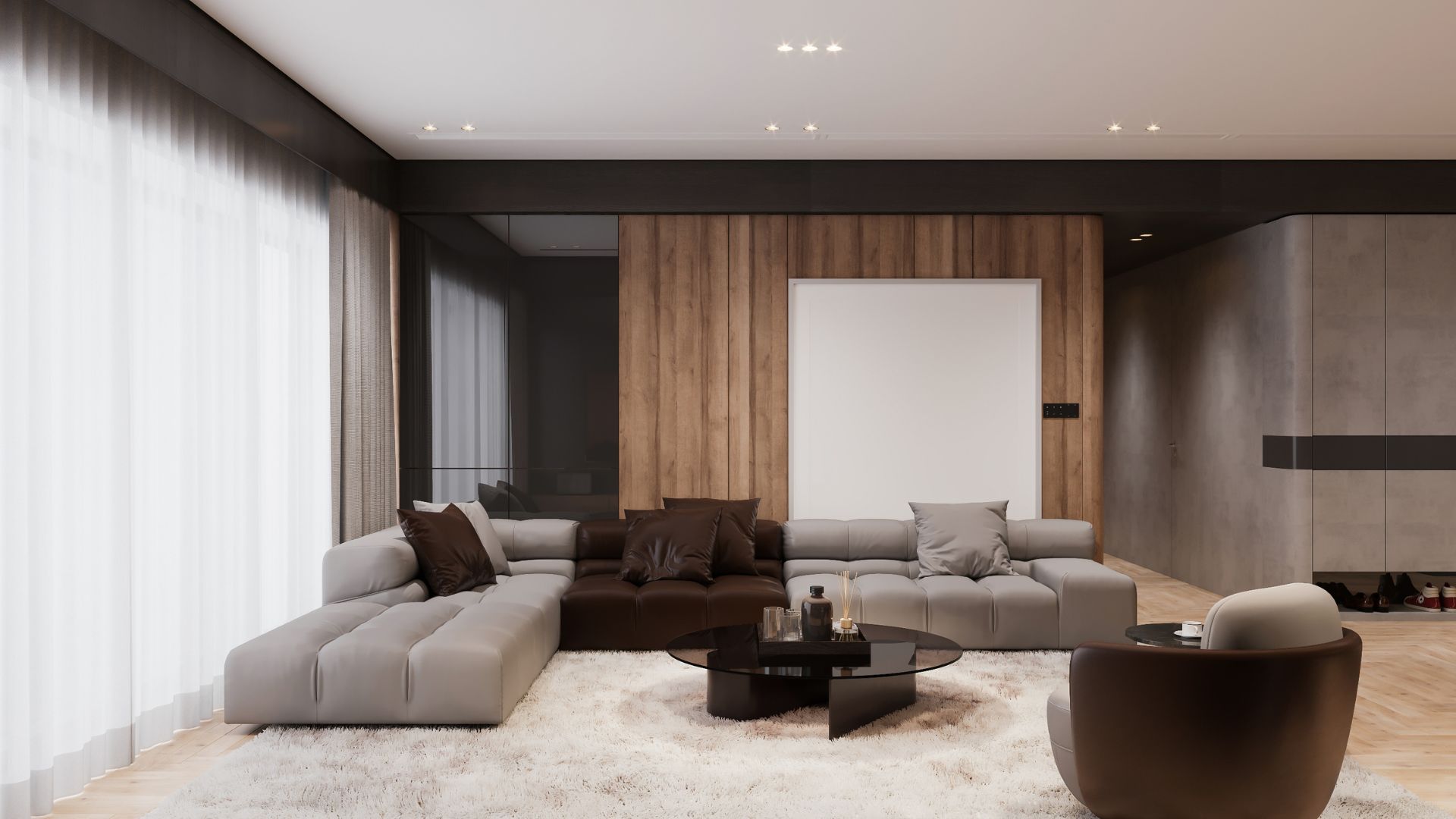
Rhode Island is a place where history is not just preserved in museums or landmarks, but lived in every day through its homes, neighborhoods, and architectural character. From centuries-old Colonial residences to elegant Newport estates and industrial-era mill buildings, the state carries a rich design legacy that continues to shape modern interiors.
When exploring Rhode Island Interior Design, it becomes clear that the state’s aesthetic is deeply rooted in its past. Interior spaces here are not simply styled for beauty or function alone. They are layered with historical influence, cultural identity, and architectural storytelling.
A well-designed Rhode Island home often reflects a conversation between old and new, where original craftsmanship meets modern comfort. This intersection is what makes interior design in the state so distinctive, timeless, and meaningful.
How Rhode Island’s History Shapes Interior Design Today
Rhode Island’s history spans early Colonial settlement, maritime trade prosperity, industrial growth, and modern coastal development. Each era has left a visual and structural imprint on the homes that stand today.
A strong Rhode Island Interior Design approach often considers:
- Preservation of historic architecture
- Integration of modern functionality
- Respect for original craftsmanship
- Adaptation of older layouts for modern living
- Use of materials that reflect regional history
Rather than replacing history, designers in Rhode Island often enhance it, ensuring that interiors feel authentic to the home’s origins while still supporting contemporary lifestyles.
Colonial Influence in Rhode Island Homes
Colonial architecture remains one of the most defining influences in Rhode Island interior design. Many homes built during this period still exist today, particularly in historic towns such as Providence, Bristol, and Newport.
Key Features of Colonial Interiors
- Symmetrical layouts
- Central fireplaces
- Wood paneling and trim
- Narrow staircases
- Hardwood flooring
- Formal dining and living spaces
- Muted, traditional color palettes
Modern designers working within Colonial homes often aim to preserve these elements while improving flow and livability.
Updating Colonial Interiors for Modern Living
A thoughtful Rhode Island Interior Design approach may include:
- Opening closed-off rooms for better flow
- Adding modern lighting while maintaining traditional fixtures
- Updating kitchens and bathrooms with subtle contemporary finishes
- Introducing lighter color palettes to enhance natural light
- Blending antique furniture with modern accents
The goal is not to erase history, but to make it livable for today’s homeowners.
Victorian Elegance and Decorative Detail
Victorian-era homes throughout Rhode Island introduce a more ornate and expressive design influence. These homes often feature intricate details that continue to inspire interior designers today.
Hallmarks of Victorian Interiors
- Decorative molding and trim
- Stained glass windows
- Ornate fireplaces
- Patterned wallpaper
- Rich wood finishes
- Layered textiles
- Asymmetrical layouts
These homes allow for more decorative expression compared to Colonial simplicity.
Modern Interpretation of Victorian Design
Today’s designers often soften Victorian interiors by:
- Balancing ornate details with neutral tones
- Mixing vintage furniture with modern lighting
- Simplifying overly busy patterns
- Highlighting architectural details instead of overwhelming them
- Creating more open and functional layouts
This blend keeps the historic charm while making the space more comfortable for modern living.
The Maritime and Coastal Legacy of Rhode Island
Rhode Island’s long maritime history continues to influence interior design, especially in coastal towns and waterfront properties.
Coastal-Inspired Historical Elements
- Weathered wood textures
- Nautical craftsmanship details
- Large windows for ocean views
- Open, airy layouts
- Light-filled rooms
- Durable natural materials
However, true Rhode Island coastal design avoids overly themed décor and instead focuses on subtle sophistication inspired by the sea.
Modern Coastal Interpretation
A refined Rhode Island Interior Design approach incorporates:
- Soft neutral palettes inspired by sand and sea
- Organic textures like linen and jute
- Stone and wood finishes
- Minimal yet elegant nautical references
- Indoor-outdoor living connections
This creates spaces that feel connected to the coastline without becoming cliché.
Industrial Heritage and Mill Building Transformations
Rhode Island played a major role in America’s Industrial Revolution, and many old mills and factories have since been converted into residential lofts and modern living spaces.
Industrial Design Features
- Exposed brick walls
- Steel beams and structural elements
- Large factory-style windows
- Concrete or wide-plank flooring
- High ceilings
- Open floor plans
These features create bold, character-rich interiors that celebrate the building’s original purpose.
Blending Industrial and Modern Design
Interior designers often soften industrial spaces by introducing:
- Warm lighting fixtures
- Comfortable upholstered furniture
- Area rugs for warmth and texture
- Natural wood accents
- Contemporary artwork
The result is a balanced aesthetic that respects history while embracing modern comfort.
Newport’s Gilded Age Influence on Luxury Interiors
Newport is known for its Gilded Age mansions, which continue to influence luxury interior design throughout Rhode Island.
Characteristics of Gilded Age Interiors
- Grand architectural scale
- Ornate detailing and craftsmanship
- Formal entertaining spaces
- High ceilings and dramatic rooms
- Luxurious materials such as marble and wood paneling
These historic estates set the tone for elegance and refinement in modern luxury design.
Modern Luxury Inspired by History
Today’s Rhode Island Interior Design in luxury homes often includes:
- Simplified versions of ornate detailing
- High-quality natural materials
- Statement lighting fixtures
- Elegant but functional layouts
- Soft, layered neutral palettes
This approach creates timeless luxury rather than overly decorative spaces.
Blending Old and New in Rhode Island Homes
One of the defining features of Rhode Island interior design is the seamless blending of historical and contemporary styles.
Common Design Combinations
- Antique furniture with modern lighting
- Historic millwork paired with sleek cabinetry
- Traditional layouts enhanced with open concepts
- Vintage accents in minimalist spaces
- Coastal textures mixed with contemporary finishes
The success of this blending depends on balance, restraint, and thoughtful design choices.
The Importance of Preservation in Interior Design
Rhode Island places a strong cultural value on historic preservation, which directly impacts interior design decisions.
Designers often work within guidelines that encourage:
- Maintaining original architectural details
- Using historically appropriate materials
- Respecting structural integrity
- Avoiding unnecessary alterations
A professional Rhode Island Interior Design approach ensures that homes retain their historical significance while still meeting modern needs.
Color Palettes Inspired by Rhode Island History
Color plays a major role in connecting interiors to the state’s historical identity.
Common Historically Inspired Color Themes
- Soft colonial whites
- Deep navy and heritage blues
- Muted earth tones
- Historic greens and burgundy accents
- Warm neutrals with aged patina
These palettes reflect both architectural history and the natural Rhode Island landscape.
Materials That Reflect Rhode Island’s Past
Material selection is a key part of blending history with interior design.
Common Traditional Materials
- Wide-plank hardwood flooring
- Natural stone
- Brick and masonry
- Plaster walls
- Solid wood cabinetry
- Wrought iron accents
These materials are often combined with modern finishes to create updated yet historically respectful interiors.
Space Planning in Historic Rhode Island Homes
Older homes often present unique layout challenges that require careful planning.
Common Challenges
- Small or segmented rooms
- Limited closet space
- Narrow hallways
- Unusual floor layouts
Design Solutions
- Creating open-concept transitions where possible
- Adding built-in storage solutions
- Improving natural light flow
- Reconfiguring underused spaces
- Enhancing circulation between rooms
Space planning is essential for making historic homes functional without compromising character.
The Role of Local Designers in Historical Interiors
Working with a local designer who understands Rhode Island’s history is essential for successful historic interior design.
A knowledgeable Rhode Island Interior Design professional understands:
- Local architectural history
- Preservation standards
- Regional materials and suppliers
- Historic home limitations
- Coastal environmental considerations
This expertise ensures that design decisions are both aesthetically appropriate and structurally sound.
Modern Living Within Historic Homes
Many Rhode Island homeowners want the charm of historic properties without sacrificing modern convenience.
Key Modern Upgrades
- Updated kitchens and bathrooms
- Smart home integration
- Energy-efficient lighting
- Improved insulation and climate control
- Functional storage solutions
The challenge is integrating these upgrades without disrupting historical integrity.
Why History Still Matters in Interior Design
Historical influence gives Rhode Island interiors depth, character, and identity. Without it, many homes would lose the sense of place that makes them unique.
A strong Rhode Island Interior Design philosophy respects the past while embracing the present.
How Rise Interiors Supports Rhode Island Homeowners
Rise Interiors helps homeowners navigate the balance between historic preservation and modern interior design.
Their services include:
- Interior design consultations
- Space planning and layout design
- Kitchen and bathroom design
- CAD drawings and visual planning
- Color consultation
- Furniture and material selection
- Real estate and renovation support
By combining design expertise with local knowledge, Rise Interiors helps homeowners create interiors that honor Rhode Island’s history while supporting modern living.
Final Thoughts
Rhode Island interior design is deeply connected to the state’s rich historical identity. From Colonial homes and Victorian estates to industrial lofts and coastal mansions, every space tells a story shaped by time, craftsmanship, and culture.
A thoughtful Rhode Island Interior Design approach does not treat history as something to be replaced, but as something to be preserved and enhanced. The best interiors in the state successfully merge historical character with modern functionality, creating homes that are both meaningful and livable.
By understanding the intersection of history and design, homeowners can create spaces that reflect not only personal style but also the enduring legacy of Rhode Island itself.