
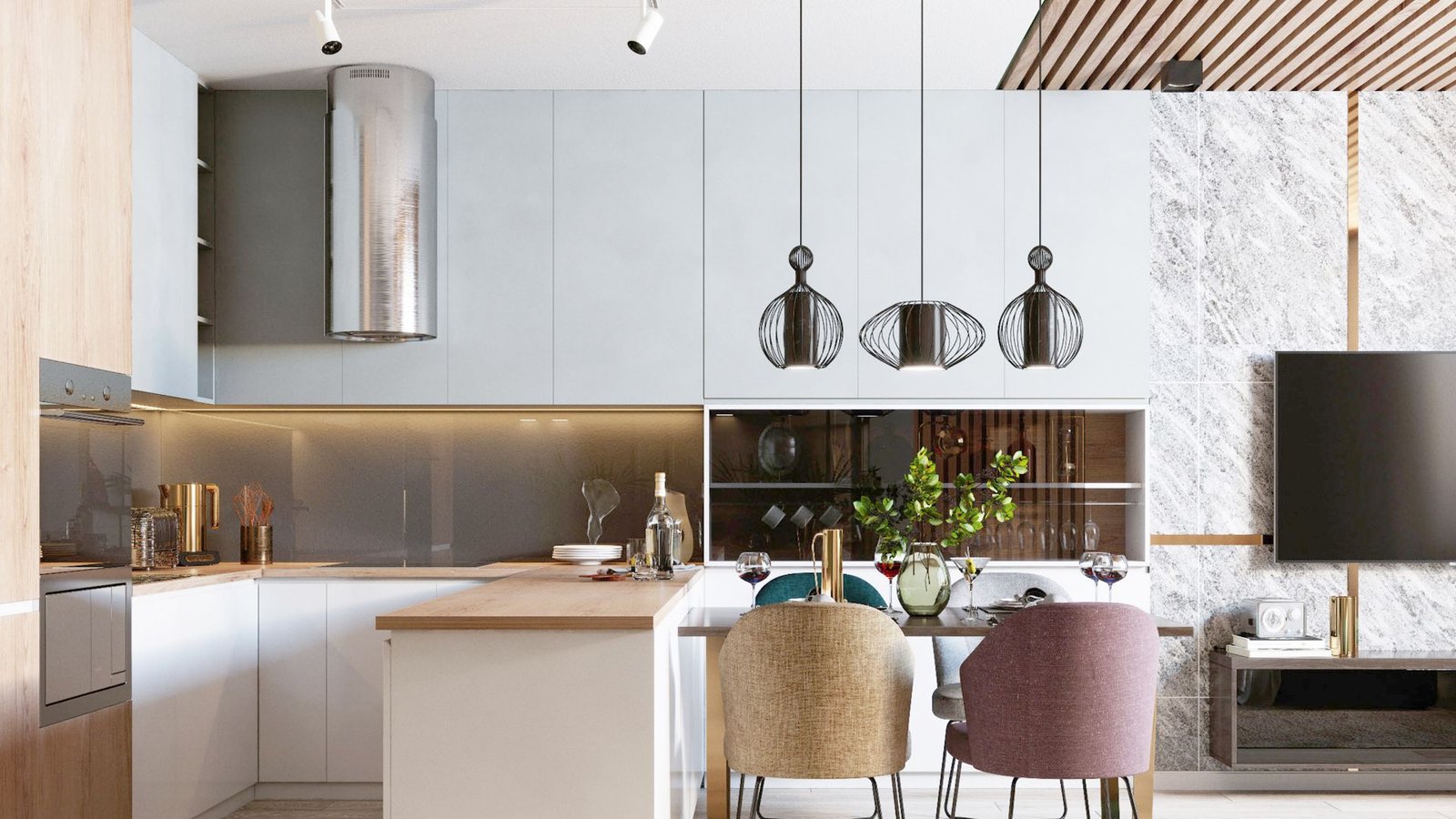
Creating a beautiful home does not have to mean spending a fortune on furniture, finishes, and renovations. With thoughtful planning, creative choices, and a clear understanding of your priorities, you can transform your living space into a comfortable and visually appealing environment without exceeding your budget. For homeowners exploring Rhode Island Interior Design, the key is finding practical ways to combine style, functionality, and affordability while making the most of the home’s existing features.
Rhode Island offers a distinctive range of residential styles, from historic New England houses and charming coastal cottages to modern condominiums and contemporary family homes. Each type of property presents opportunities to create a personalized interior without requiring a complete renovation. Simple updates, carefully selected materials, improved lighting, and strategic furniture arrangements can make a noticeable difference in how a room looks and feels.
At Rise Interiors, thoughtful design planning helps homeowners approach their spaces with greater clarity. Whether you are updating a kitchen, refreshing a living room, or planning a larger home improvement project, understanding where to invest and where to save can help you achieve an impressive result while keeping costs manageable.
Why Budget-Friendly Interior Design Can Still Look Beautiful
A limited budget does not have to limit creativity. In many cases, a successful interior depends more on thoughtful decisions than on expensive products or extensive remodeling.
Professional design principles can help homeowners identify the changes that will have the greatest visual and functional impact. Improving a room’s layout, coordinating colors, reducing clutter, and introducing well-chosen lighting can create a polished appearance without requiring significant construction.
Focus on What Makes the Biggest Difference
When planning an affordable interior update, begin by identifying the elements that most affect the room’s appearance and usability. Worn finishes, poor lighting, overcrowded furniture arrangements, and insufficient storage may have a greater impact than outdated decorative accessories.
For example, rearranging furniture to improve circulation can make a living room feel more spacious. Replacing dated cabinet hardware can refresh a kitchen without the expense of installing entirely new cabinets. Adding layered lighting may make a dark room feel more inviting.
These improvements demonstrate how a strategic approach to Rhode Island Interior Design can produce meaningful results without requiring a complete transformation.
Establish a Clear Design Direction
Before purchasing anything, decide how you want the space to look and function. Consider whether you prefer a traditional, contemporary, coastal, transitional, or more eclectic aesthetic.
A consistent design direction makes it easier to evaluate purchases and avoid items that do not work well together. It also helps you determine which existing furnishings can remain and which pieces may need updating.
Creating a simple collection of inspiration images, color ideas, and material samples can help establish a visual reference. This step is especially useful when working with a limited budget because it reduces impulse purchases and encourages more deliberate decisions.
Refresh Your Walls With Affordable Color Choices
Paint is one of the most accessible ways to change the atmosphere of a room. The right color can brighten a space, highlight architectural details, or create a more cohesive relationship between adjoining rooms.
For homeowners who want to improve their interiors without undertaking major construction, a carefully planned paint update can offer considerable visual impact.
Choose Colors That Work With Existing Features
Before selecting a new wall color, evaluate the flooring, cabinetry, countertops, furniture, and other permanent features in the room. These elements influence which colors will look harmonious.
Warm whites, soft beiges, muted greens, and gentle gray tones can provide a flexible foundation for many interior styles. Deeper colors may work well as accents when used thoughtfully.
The best choice depends on the room’s natural light, size, and existing finishes. A color that looks appealing in a showroom may appear different in a room with limited daylight or warm artificial lighting.
Testing paint samples on the wall before committing to a full application can help prevent costly mistakes.
Use Accent Walls Strategically
An accent wall can introduce contrast without requiring the entire room to be repainted. A deeper shade behind a bed, a muted color in a home office, or a carefully selected tone in a dining area can create a focal point.
However, an accent wall should complement the overall design rather than compete with other visual elements. Consider the placement of windows, artwork, furniture, and lighting when selecting the wall to highlight.
For a more understated effect, a subtle difference in color or finish may provide enough distinction without overwhelming the room.
Make the Most of Your Existing Furniture
Replacing every piece of furniture can quickly consume an interior design budget. Fortunately, many rooms can be improved by rearranging existing pieces, updating selected details, or giving older furnishings a new purpose.
A thoughtful evaluation of what you already own is an important first step toward a more affordable home.
Rearrange Furniture for Better Flow
Furniture placement influences how spacious, comfortable, and functional a room feels. Even attractive furnishings can make a space uncomfortable if they block walkways or prevent people from using the room naturally.
Try arranging seating around a clear focal point, such as a fireplace, window, or entertainment area. Leave sufficient room for movement between furniture pieces and avoid crowding entrances.
In smaller Rhode Island homes, especially older properties with compact rooms, careful furniture placement can make a meaningful difference. Keeping pathways open and selecting appropriately sized pieces can help a room feel more spacious without changing its physical dimensions.
Repurpose and Update Older Pieces
Before discarding an outdated table, dresser, or bookcase, consider whether it can be refreshed. Painting a wooden piece, replacing hardware, updating a lampshade, or refinishing a surface may give it a more current appearance.
Older furniture can also add character to an interior, particularly in historic homes where traditional details contribute to the property’s appeal.
Mixing existing pieces with a few carefully selected contemporary items can create a more personal design than purchasing an entire matching furniture set. The goal is to make each piece feel intentional within the room.
Improve Lighting Without a Major Renovation
Lighting plays a significant role in the appearance of a home. A room with attractive furnishings may still feel uncomfortable if it is poorly illuminated, while a thoughtfully lit space can feel warmer, more functional, and more inviting.
Fortunately, lighting improvements do not always require extensive electrical work.
Combine Different Lighting Sources
Rather than relying on a single ceiling fixture, consider using several types of lighting to support different activities.
Ambient lighting provides general illumination, while task lighting helps with activities such as reading, cooking, and working. Accent lighting can highlight artwork, shelving, or architectural features.
For example, a living room might combine an existing ceiling fixture with a floor lamp beside the sofa and a table lamp near a reading chair. A kitchen may benefit from brighter task lighting in food preparation areas, depending on the existing electrical layout.
Using multiple lighting sources allows the room to adapt to different needs throughout the day.
Use Natural Light Effectively
Natural light can make interiors feel more open and welcoming. Keep windows unobstructed where possible, choose window treatments that allow daylight to enter, and position furniture so it does not unnecessarily block the light.
Mirrors can also help reflect light around a room when placed thoughtfully. A mirror positioned opposite or near a window may make a space feel brighter, although the effect depends on the room’s layout and available daylight.
In coastal and traditional Rhode Island homes, making the most of natural light can enhance the connection between the interior and its surroundings without adding significant expense.
Create a Stylish Interior With Affordable Accessories
Accessories can help a room feel complete, but they do not need to be expensive to make an impression. Carefully selected artwork, cushions, throws, plants, and decorative objects can introduce color, texture, and personality.
The most effective approach is to use accessories selectively rather than filling every available surface.
Add Texture for Visual Interest
Texture can make a neutral room feel more inviting. Woven baskets, linen curtains, textured cushions, natural wood, and soft rugs introduce variety without requiring bold colors or expensive furniture.
Combining different textures can also help a room feel layered and thoughtfully designed. For example, a simple sofa may look more inviting with a textured throw and a few complementary cushions.
Choose materials that suit the room’s practical needs. In busy households, washable cushion covers and easy-to-clean accessories may offer better long-term value than delicate items that require special care.
Display Artwork With Intention
Artwork does not have to come from an expensive gallery to contribute to a beautiful interior. Affordable prints, personal photographs, handmade pieces, and locally sourced artwork can all help express your style.
The way artwork is arranged matters as much as the individual pieces. A coordinated group of frames can create a gallery wall, while one larger piece may provide a focal point above a sofa or dining table.
Pay attention to scale and placement. Artwork should relate to the furniture and wall area around it rather than appearing too small or crowded.
Choose Budget-Conscious Materials for Kitchen Updates
Kitchen renovations can be expensive because they involve cabinetry, countertops, appliances, plumbing, lighting, and other components. However, homeowners do not always need to replace everything to create a more attractive and functional kitchen.
A targeted update can improve the room while preserving elements that remain in good condition.
Refresh Existing Cabinetry
If existing cabinets are structurally sound and function well, replacing them may not be necessary. Depending on their condition and material, painting, refinishing, or replacing selected hardware may provide a fresh appearance at a lower cost.
Cabinet hardware can influence the overall character of a kitchen. Simple contemporary pulls may create a different impression from traditional knobs, while finishes such as brushed metal or matte black can introduce contrast.
Before making changes, evaluate the cabinet doors, drawer operation, hinges, and interior storage. Cosmetic improvements are most effective when the underlying cabinetry remains functional.
Update the Details That Matter Most
A kitchen can often benefit from focused improvements rather than a complete overhaul. Depending on the existing layout and condition, homeowners might consider a new backsplash, updated lighting, refreshed wall color, or improved organization.
Countertops and appliances represent larger expenses, so they should be evaluated according to their condition, functionality, and importance to the overall project.
An experienced design professional can help homeowners understand how these choices relate to one another. Cabinet colors, countertop materials, flooring, and hardware should be considered together to avoid an inconsistent result.
For homeowners planning cabinetry changes, Rise Interiors offers design-related support that can help clarify layouts and coordinate important decisions before moving forward.
Make Small Bathrooms Feel More Refined
Bathrooms often have limited square footage, but small design changes can make them feel cleaner, brighter, and more organized.
Rather than undertaking a full renovation, homeowners may be able to improve an existing bathroom through targeted updates.
Prioritize Organization and Storage
Clutter can make a small bathroom feel crowded. Using drawer organizers, shelf dividers, wall-mounted storage, and practical baskets can help keep everyday items accessible without taking up unnecessary counter space.
If the bathroom has limited built-in storage, evaluate whether vertical space can be used more effectively. Shelving or a suitable storage cabinet may provide additional capacity while maintaining a clean appearance.
Storage solutions should be selected according to the room’s dimensions and moisture conditions. Items should remain easy to access without interfering with movement or routine cleaning.
Update Finishes and Accessories
Replacing worn towels, refreshing wall color, updating a mirror, or changing cabinet hardware can improve a bathroom’s appearance without requiring major construction.
Coordinating a few details, such as towel colors, hardware finishes, and accessories, can create a more polished effect.
If larger elements such as plumbing fixtures, tile, or flooring need replacement, prioritize those changes according to their condition and your available budget. Cosmetic updates should not take precedence over addressing leaks, moisture problems, or damaged materials.
Embrace Rhode Island’s Architectural Character
One of the most rewarding aspects of Rhode Island Interior Design is the opportunity to work with the character of the state’s varied homes. Historic properties, coastal cottages, and traditional New England houses often have features that can contribute to an attractive interior without requiring expensive decorative additions.
Instead of covering up these details, consider how they can become part of the design.
Highlight Original Architectural Features
Exposed beams, original hardwood floors, traditional moldings, fireplaces, and distinctive window shapes can provide visual interest. When these elements are in good condition, preserving and highlighting them may be more economical than replacing them.
For example, refinishing an existing hardwood floor may be worth considering before installing a new flooring material. Similarly, retaining original trim can preserve architectural character while reducing unnecessary replacement costs.
Any restoration work should be evaluated according to the feature’s condition and the property’s needs. Historic materials may require specialized care, and significant alterations may involve additional considerations.
Balance Traditional and Contemporary Elements
A home does not need to be decorated entirely in a traditional style simply because it has historic architecture. Contemporary furniture, modern lighting, and simple accessories can complement older architectural features.
The key is to establish a balanced relationship between old and new. A traditional dining room may feel more current with understated lighting, while a modern sofa can look at home in a living room with original woodwork.
This combination can create an interior that respects the property’s character while supporting modern lifestyles.
Maximize Small Spaces With Smart Design Choices
Many homes benefit from more efficient use of existing space, particularly where rooms serve multiple purposes. Small apartments, compact bedrooms, and older houses with limited storage can all benefit from careful planning.
An effective layout may provide greater value than purchasing additional furniture or expanding the room.
Select Furniture That Serves Multiple Purposes
Multifunctional furniture can help homeowners make the most of limited square footage. Storage ottomans, nesting tables, beds with drawers, and desks that fit neatly into smaller rooms can provide useful flexibility.
Before purchasing a multifunctional piece, evaluate its dimensions, storage capacity, and ease of use. A product is only a good investment if it meets a genuine need and fits comfortably within the space.
Furniture should also be proportionate to the room. Oversized pieces can make smaller interiors feel crowded, while appropriately scaled furnishings help preserve open pathways and visual balance.
Use Vertical Space Effectively
Walls can provide valuable storage and display opportunities. Shelving, wall-mounted organizers, and carefully positioned artwork can help reduce clutter on floors and other surfaces.
In kitchens, bathrooms, and home offices, vertical storage may create additional capacity without changing the footprint of the room.
However, wall-mounted solutions should be selected according to the wall construction, weight requirements, and intended use. Proper installation is important for both safety and durability.
Plan Your Interior Design Budget Before Shopping
Even relatively small purchases can add up when several rooms are being updated. Establishing a realistic budget before shopping helps homeowners make decisions according to their priorities rather than reacting to individual products.
A written plan also makes it easier to distinguish essential improvements from optional upgrades.
Divide the Budget Into Priorities
Start by identifying the most important needs. These might include replacing damaged flooring, improving lighting, adding storage, or updating worn cabinetry.
Next, estimate the cost of each improvement and compare the total with the amount available. This helps reveal where adjustments may be necessary before purchases begin.
It can be useful to separate the budget into categories such as furniture, materials, lighting, accessories, professional services, and installation. For renovation projects, reserve funds for unexpected expenses rather than allocating every dollar to planned purchases.
Know Where to Save and Where to Invest
Some items are relatively easy to update later, while others are expensive or disruptive to replace. Decorative accessories, lampshades, and accent colors may be appropriate areas to economize.
Items that affect everyday function, such as cabinetry, flooring, essential lighting, and storage systems, may deserve more careful evaluation because their performance influences long-term satisfaction.
The least expensive option is not always the best value. Consider durability, maintenance requirements, installation costs, and expected lifespan when comparing products.
A balanced budget prioritizes quality where it matters most while leaving room for affordable decorative choices.
When Professional Interior Design Support Is Worth Considering
Budget-friendly design does not mean homeowners must manage every decision alone. Professional guidance can be valuable when a project involves complex layouts, cabinetry changes, multiple rooms, or choices that affect construction.
A design professional can help evaluate options, coordinate materials, and identify potential issues before work begins.
Avoid Costly Planning Mistakes
Incorrect measurements, unsuitable materials, poorly arranged furniture, and uncoordinated finishes can lead to unnecessary expenses. Reviewing layouts and selections in advance may help reduce the likelihood of these problems.
Floor plans and CAD drawings can be particularly useful for projects involving cabinetry, kitchen layouts, or changes to the arrangement of a room. They allow homeowners to review dimensions and relationships before committing to purchases or installation.
Make Decisions With Greater Confidence
When homeowners are faced with numerous options, it can be difficult to determine which choices offer the best combination of appearance, functionality, and cost.
Professional design support helps bring those considerations together. Rather than focusing on individual products, the process evaluates how each decision contributes to the finished space.
Rise Interiors supports residential design planning, including cabinetry design, CAD drawings, presentation drawings, and developed floor plans. These services can help homeowners organize their ideas and make informed decisions when planning new homes or renovation projects.
The appropriate level of support depends on the project’s scope, budget, and complexity. Even when a homeowner handles much of the work independently, professional input at key planning stages can be useful.
Final Thoughts
Creating a beautiful home on a limited budget is possible with a clear design direction, careful planning, and an understanding of which improvements matter most. Simple changes such as refreshing wall colors, rearranging furniture, improving lighting, updating accessories, and making better use of storage can transform a room without requiring an extensive renovation.
For homeowners exploring Rhode Island Interior Design, the state’s distinctive architecture provides additional opportunities to create character through thoughtful choices. Preserving original features, selecting practical materials, and balancing traditional details with contemporary elements can help produce interiors that feel personal and enduring.
Rise Interiors can help homeowners approach design decisions with greater clarity through services such as cabinetry design, floor plan development, CAD drawings, and presentation drawings. With the right planning, it becomes easier to prioritize spending, coordinate individual elements, and create a space that supports everyday life.