
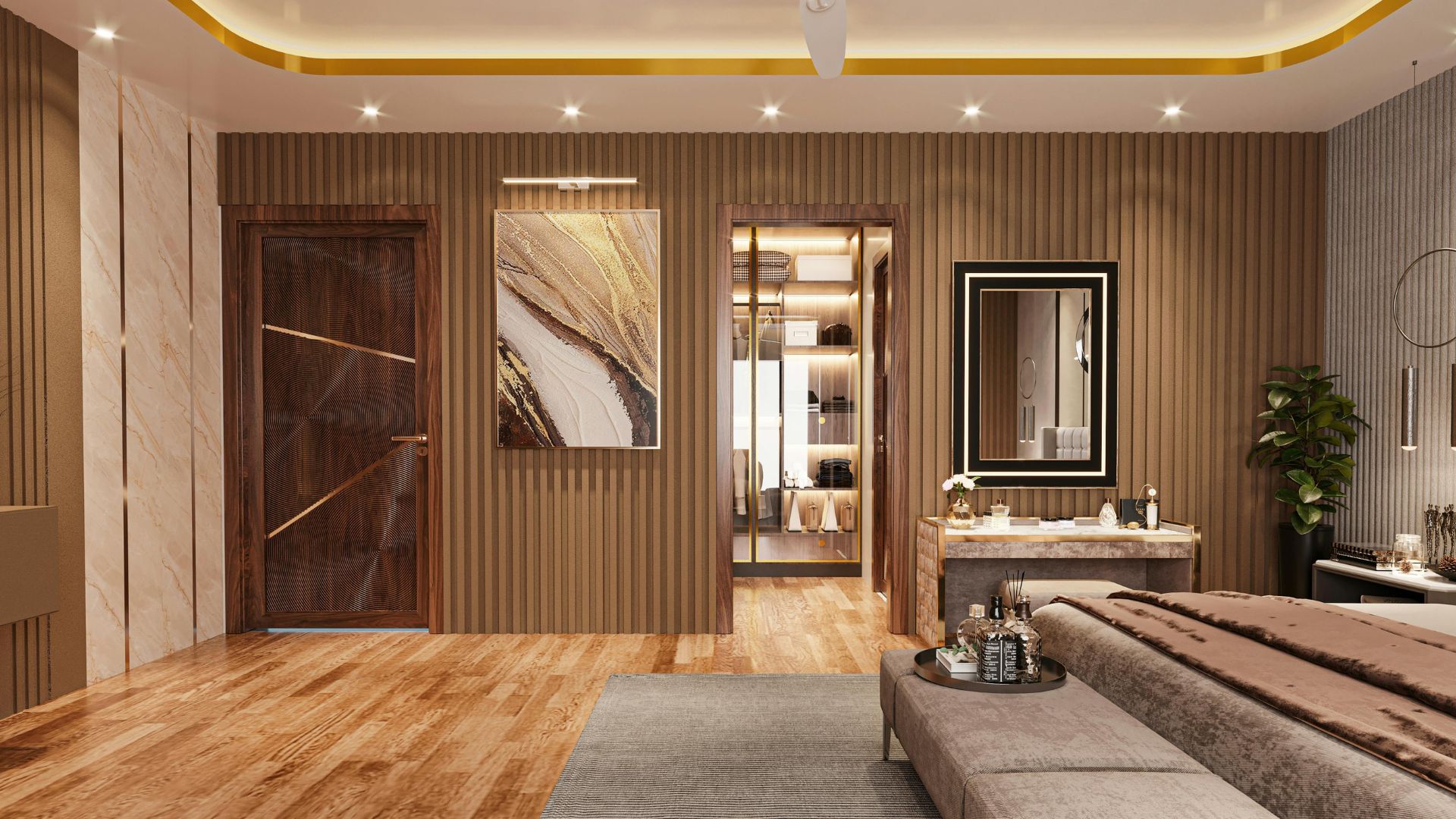
Designing a home is a journey that goes far beyond choosing furniture or picking paint colors. It involves planning, coordination, problem-solving, and a deep understanding of how people live in their spaces. In Rhode Island, where homes range from historic Colonials and coastal cottages to modern waterfront builds, the role of an interior designer becomes even more essential.
When working with an Interior Designer Rhode Island, homeowners are not just hiring someone to decorate a room. They are partnering with a professional who guides the entire process from the earliest idea to the final installation. This ensures that every detail of the home is intentional, functional, and beautifully aligned with the client’s vision.
Interior designers in Rhode Island help translate ideas into reality while navigating architectural challenges, regional styles, and lifestyle needs. Their work brings structure to creativity and clarity to complex renovation or design projects.
Understanding the Full Scope of Interior Design Services
The role of an interior designer extends across every phase of a project. A professional Interior Designer Rhode Island provides both creative direction and technical expertise.
Core Services Include
- Concept development and design planning
- Space planning and layout optimization
- Color palette development
- Material and finish selection
- Furniture sourcing and placement
- Lighting design
- CAD drawings and visual presentations
- Contractor coordination
- Project management
- Final styling and installation
Each service builds on the next, ensuring that the design evolves smoothly from concept to completion.
Phase One Concept Development and Inspiration
Every design project begins with understanding the client’s vision. This is where ideas, inspiration, and goals come together.
What Happens in the Concept Phase
- Client consultations to discuss lifestyle and needs
- Review of inspiration images and design preferences
- Identification of functional challenges
- Creation of mood boards and design direction
- Establishing style themes such as coastal, modern, or transitional
At this stage, an Interior Designer Rhode Island focuses on capturing the personality of the homeowner while considering the architectural character of the home.
Rhode Island homes often influence design direction, whether it is a historic Colonial requiring respect for tradition or a coastal home that calls for light, airy elements.
Phase Two Space Planning and Functional Layouts
Once the concept is defined, designers move into space planning. This phase focuses on how the home will function on a daily basis.
Key Goals of Space Planning
- Improve flow between rooms
- Maximize usable space
- Address storage challenges
- Create balance between open and private areas
- Ensure furniture fits properly within each room
Many Rhode Island homes have unique layouts, especially older properties with smaller rooms or unusual configurations. A skilled Interior Designer Rhode Island knows how to reimagine these spaces without compromising their character.
Space planning ensures that the home is not only beautiful but also practical for everyday living.
Phase Three Design Development and Visualization
After establishing layout and function, designers begin refining the visual elements of the space.
What Designers Create in This Phase
- Detailed floor plans
- 3D renderings or visual mockups
- Material and finish boards
- Furniture layouts
- Lighting concepts
These tools allow homeowners to see how the finished space will look before any construction or purchasing begins.
A professional Interior Designer Rhode Island uses visualization tools to reduce uncertainty and help clients make confident decisions early in the process.
Phase Four Material and Finish Selection
Selecting materials is one of the most important steps in interior design. These choices define the look, feel, and durability of the home.
Common Materials Selected by Designers
- Flooring such as hardwood or tile
- Countertops including quartz, marble, or granite
- Cabinetry finishes
- Paint colors and wall treatments
- Fabrics and upholstery
- Lighting fixtures
- Hardware and accents
Rhode Island homes often require materials that balance beauty with durability, especially in coastal environments where humidity and seasonal changes play a role.
An experienced Interior Designer Rhode Island helps clients choose materials that are both stylish and long-lasting.
Phase Five Furniture Selection and Styling
Furniture selection brings personality and comfort into the space. Designers carefully curate pieces that align with the overall vision.
Key Considerations for Furniture Selection
- Scale and proportion
- Comfort and usability
- Material quality
- Style consistency
- Room functionality
Designers also consider how furniture interacts with lighting, architecture, and movement within the space.
Once furniture is selected, styling adds the finishing layer that makes a house feel complete and lived-in.
Phase Six Lighting Design and Layering
Lighting plays a critical role in shaping the mood and usability of a home.
Types of Lighting Used in Design
- Ambient lighting for general illumination
- Task lighting for work areas
- Accent lighting for visual highlights
- Decorative lighting for aesthetic appeal
In Rhode Island, where natural light changes significantly across seasons, lighting design becomes especially important.
A thoughtful Interior Designer Rhode Island ensures that lighting enhances both functionality and atmosphere throughout the year.
Phase Seven Coordination With Contractors and Vendors
Interior designers often act as the bridge between homeowners and construction professionals.
Coordination Responsibilities Include
- Communicating design intent to contractors
- Reviewing construction plans
- Ensuring design accuracy during build phases
- Managing product orders and deliveries
- Troubleshooting on-site issues
This coordination ensures that the design vision is executed correctly and efficiently.
Without this oversight, even well-planned projects can face delays or inconsistencies.
Phase Eight Project Management and Oversight
Interior designers also manage the overall progress of the project from start to finish.
Project Management Tasks
- Scheduling timelines
- Tracking budgets
- Coordinating installations
- Monitoring progress
- Communicating updates to clients
A professional Interior Designer Rhode Island helps keep projects organized and reduces stress for homeowners throughout the process.
This structured oversight is especially valuable during renovations, where multiple teams and timelines must align.
Phase Nine Final Installation and Styling
The final phase is where everything comes together.
What Happens During Installation
- Furniture placement
- Artwork installation
- Accessory styling
- Final lighting adjustments
- Quality checks and refinements
This stage transforms the space from a construction site into a finished home.
Designers carefully refine every detail to ensure the space feels cohesive, polished, and ready to live in.
The Importance of Local Expertise in Rhode Island
Working with a local designer provides significant advantages, especially in a state with such diverse architecture.
Benefits of Hiring a Local Interior Designer
- Knowledge of historic home structures
- Familiarity with coastal climate considerations
- Access to local contractors and suppliers
- Understanding of regional design styles
- Experience with Rhode Island building challenges
A local Interior Designer Rhode Island brings insight that national firms often lack, ensuring that designs feel appropriate to both the home and its environment.
Designing for Rhode Island Lifestyles
Interior design must reflect how people actually live in their homes.
Common Lifestyle Needs in Rhode Island Homes
- Family-friendly layouts
- Coastal entertaining spaces
- Home offices for remote work
- Functional mudrooms for seasonal weather
- Flexible guest spaces
Designers tailor each home to support daily routines and long-term lifestyle needs.
Balancing Historic Character With Modern Living
Many Rhode Island homes have historic roots that require careful design consideration.
Common Challenges in Historic Homes
- Small or segmented rooms
- Limited storage
- Outdated layouts
- Preservation restrictions
A skilled Interior Designer Rhode Island knows how to modernize these homes while preserving their architectural charm.
This balance creates interiors that feel timeless rather than trend-driven.
The Role of Communication Throughout the Process
Clear communication is essential to successful interior design projects.
Designers maintain ongoing communication through:
- Regular client meetings
- Design presentations
- Progress updates
- Budget reviews
- Site visits
Strong communication ensures that expectations remain aligned from concept to completion.
Why the Design Process Matters
The structured process used by interior designers ensures consistency, efficiency, and quality.
Without it, projects can become disorganized or lose direction.
A professional Interior Designer Rhode Island brings structure to creativity, turning ideas into well-executed spaces that function beautifully in real life.
How Rise Interiors Supports Rhode Island Homeowners
Rise Interiors guides homeowners through every stage of the design process, from initial concept to final installation.
Their services include:
- Interior design consultations
- Space planning and layout development
- Kitchen and bathroom design
- CAD drawings and visual planning
- Material and finish selection
- Furniture sourcing and styling
- Real estate and renovation support
By combining creativity with structured project management, Rise Interiors helps clients achieve cohesive, functional, and beautifully designed homes.
Final Thoughts
The role of an interior designer in Rhode Island is both creative and highly technical. From concept development to final styling, each phase of the process contributes to a home that is not only visually appealing but also practical and personalized.
An Interior Designer Rhode Island helps homeowners navigate complex decisions, coordinate with professionals, and transform ideas into fully realized living spaces.
Whether working on a historic property, a coastal retreat, or a modern home, interior designers bring clarity, structure, and expertise to every stage of the journey. The result is a home that feels intentional, cohesive, and built for the way people truly live.