
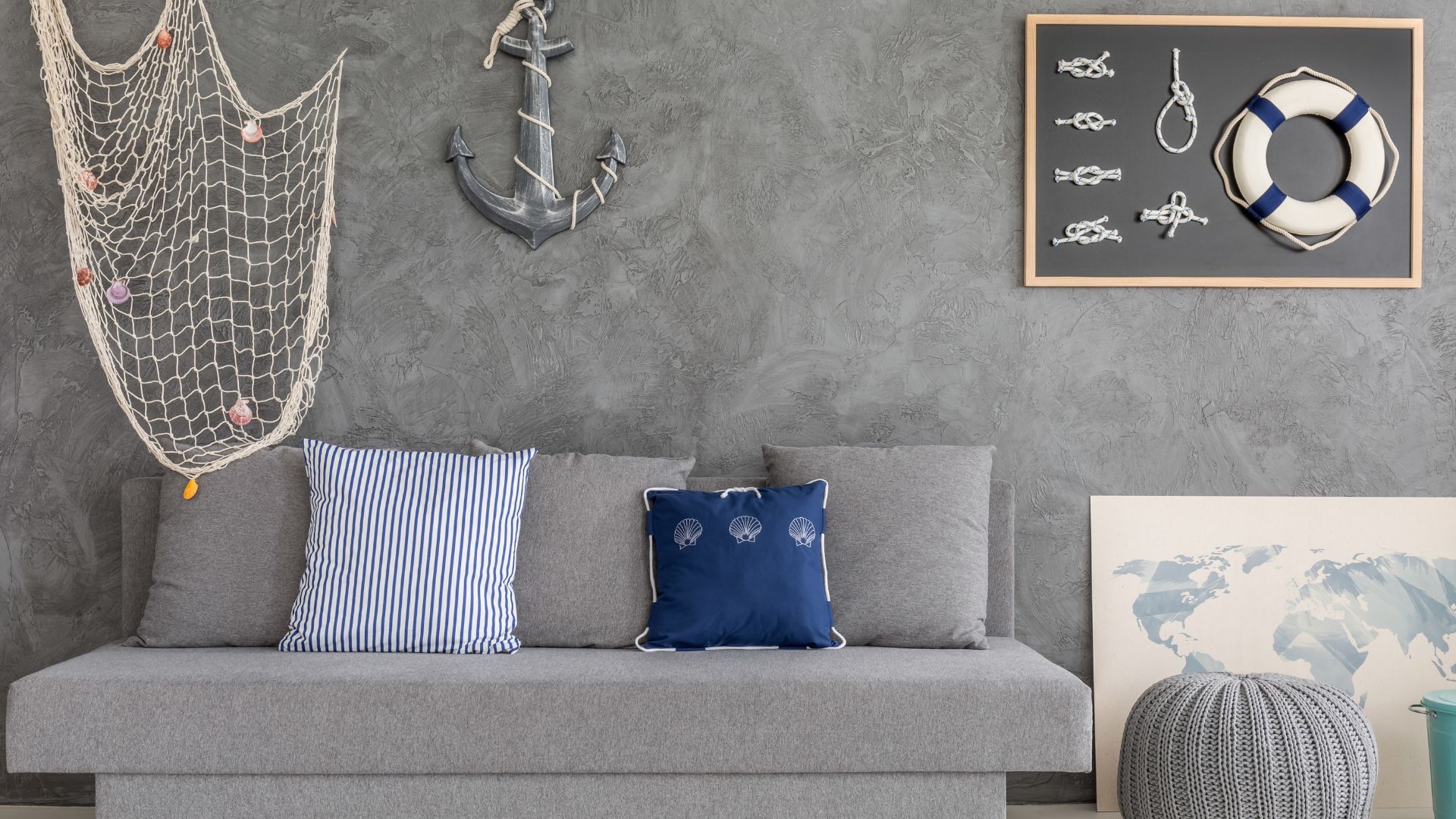
Nautical-themed interior design in Rhode Island blends seafaring history, New England light, and modern comfort to create airy, elegant coastal homes that feel both timeless and livable. This guide shows you how to select palettes, materials, and motifs that reflect Rhode Island’s maritime heritage while delivering practical durability for salt air and bright coastal sun. Many homeowners struggle with pushing a theme too far or choosing finishes that won’t stand up to coastal conditions; this article provides focused solutions that balance authenticity with longevity.
You will learn what defines nautical interior design locally, step-by-step methods to outfit living rooms and bedrooms, where to source authentic coastal furnishings in Rhode Island, and paint and material recommendations tailored to local light and exposure. Throughout, the emphasis is on practical choices—color, texture, and layout—that preserve views, invite natural light, and create seamless transitions from porch to parlor. Read on for checklists, comparative tables, and local-sourcing tips that make it simple to bring New England coastal style into your Rhode Island home.
What Defines Nautical Interior Design and Coastal Style in Rhode Island?
Nautical interior design in Rhode Island is a regional expression of coastal style that combines a sea-inspired palette, resilient natural materials, and maritime motifs to honor local history while maximizing light and comfort. The approach works by pairing high-contrast colors with textured, weathered finishes that resist coastal wear and visually reference boats, harbors, and shoreline landscapes. Using these elements together creates rooms that feel fresh, airy, and rooted in New England character. Below are the core visible features that consistently define the style and help Rhode Island homes read as authentic coastal interiors.
- Color palette: navy, crisp white, and sandy neutrals that read well in bright coastal light.
- Materials and textures: driftwood, linen, jute, rope, and rattan for layered tactile interest.
- Motifs and accents: subtle anchor references, porthole mirrors, and curated maritime antiques.
These features inform design decisions for everything from trim details to upholstery choices, and they naturally lead into specific color and material recommendations suited to Rhode Island sunlight and weather.
Which Colors and Materials Are Essential for New England Coastal Interiors?
A concise palette and durable materials are essential because Rhode Island’s coastal light emphasizes contrast and texture while salt air challenges finishes. Top colors include deep navy for anchors and trim, crisp white for walls and millwork, and sandy neutrals for upholstery and floors; sea-glass blues make excellent accents in bedrooms and baths. Materials such as reclaimed driftwood, woven jute rugs, linen upholstery, and weathered rattan provide authentic texture and age gracefully in beach houses. Choose paints with washable finishes for high-traffic areas and sealed natural fibers for rugs to resist moisture; these choices maintain the coastal look without sacrificing longevity. Practical selection of colors and materials leads naturally to how to compose living rooms and bedrooms that balance comfort, durability, and seaside charm.
How Do Maritime Motifs and Textures Reflect Rhode Island’s Seafaring Heritage?
Maritime motifs work best when they reference local history subtly, using items that feel collected rather than themed, which preserves authenticity in Rhode Island interiors. Anchors, rope details, porthole-style mirrors, and framed vintage charts can anchor a room when used sparingly alongside neutral furnishings and quality textiles. Texture—through linen bedding, weathered wood tables, and braided jute rugs—creates depth and evokes shoreline materials without kitsch. To stay tasteful, prioritize scale and restraint: one strong focal maritime piece and supporting textural elements rather than many small novelty items. This restrained approach honors regional maritime roots and transitions neatly into room-specific layouts for living rooms and bedrooms.
How Can You Create Stunning Coastal Living Rooms and Bedrooms in Rhode Island Beach Houses?
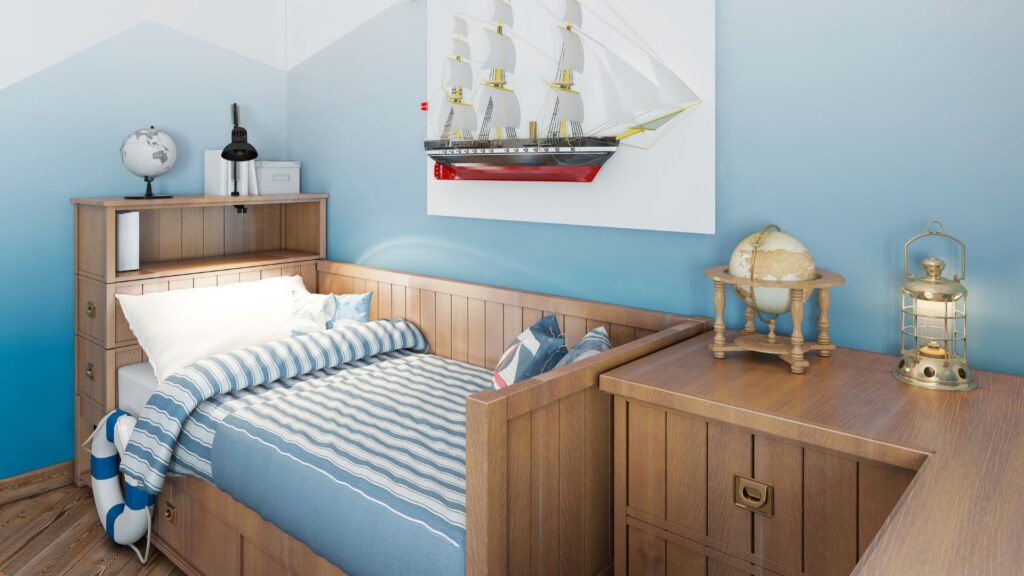
Creating a coastal living room or bedroom in Rhode Island requires a layout that emphasizes light, sightlines to the water or landscape, and resilient textiles that handle coastal humidity and activity. Start by establishing a neutral base with slipcovered seating for easy laundering, add layered rugs and textured throws for warmth, and use a navy accent or two to provide crisp contrast and a nautical anchor. When considering the landscape-to-interior connection, use plantings and porch sightlines to frame views and soften transitions.
When laying out rooms, consider these stepwise priorities to ensure function and coastal character:
- Define the focal point with a fireplace, large window, or gallery wall to center furniture.
- Choose durable, washable upholstery and layered textiles for comfort and longevity.
- Balance scale with slipcovered sofas, complemented by weathered wood tables and nautical accents.
This checklist is a practical sequence that helps homeowners move from concept to a finished living space that reads as both authentic and durable.
What Are Key Design Elements for Nautical Living Rooms in Rhode Island?
Key living room elements emphasize relaxed elegance: slipcovered seating for easy maintenance, a layered rug system to ground seating zones, and textured accessories for seaside character. Begin with a neutral sofa in linen or performance fabric, add two sturdy accent chairs in rattan or painted wood, and place a reclaimed-wood coffee table to introduce patina. Lighting should include layered sources—overhead, task, and accent—to handle changing daylight and evening use; rope-wrapped pendants or brass fixtures with maritime lines reinforce the theme. Together, these elements create a resilient, lived-in space that reads as refined coastal living without leaning into kitsch, and they set the stage for bedroom transitions that prioritize restfulness and light.
| Seating Type | Material | Coastal Benefit |
| Slipcovered sofa | Linen or washable performance fabric | Easy maintenance, breathable in coastal humidity |
| Accent chairs | Rattan or painted hardwood | Texture and visual lightness for beach houses |
| Coffee table | Reclaimed driftwood or weathered oak | Patina and authenticity echo shoreline materials |
This comparison clarifies why certain furniture choices perform better in New England coastal living rooms and informs practical sourcing decisions.
How to Incorporate Nautical Bedroom Decor for a Relaxing Coastal Retreat?
Bedrooms in coastal Rhode Island homes should prioritize airy color, layered bedding, and low-key maritime accents to promote relaxation and readability in bright light. Start with a crisp white or soft sea-glass headboard wall, add linen bedding layered with cotton duvets and textured throws, and choose accent pillows in navy or muted coral for controlled pops of color. Window treatments should maximize natural light while providing privacy—simple linen panels or shutters work well and echo New England craftsmanship. Small nautical details, such as a porthole mirror or rope-wrapped bedside lamp, offer thematic continuity without overwhelming the restful palette.
| Item | Attribute | Recommended Use |
| Bedding | Linen + cotton layers | Breathable comfort for humid nights |
| Headboard | Painted beadboard or upholstered | Coastal texture and tactile focus |
| Window treatment | Linen panels or shutters | Light control with a clean aesthetic |
This table helps prioritize bedroom elements that create a calming coastal retreat while being practical for seaside climates.
Where to Find Top Coastal Interior Designers and Home Decor Shops in Rhode Island?
Finding local designers and shops in Rhode Island means prioritizing professionals with experience in historic coastal homes, knowledge of local materials, and sensitivity to views and natural light. Vet designers by reviewing portfolios for projects in Newport or Providence, asking about experience with historic preservation if appropriate, and confirming references that demonstrate regional knowledge. When sourcing decor, split shopping between boutiques for unique finds, consignment or antiques for authentic maritime pieces, and larger retailers for durable basics. Use the following vetting questions to guide initial consultations and store visits so you balance authenticity, budget, and durability effectively.
- Does the designer have verifiable Rhode Island projects and references that show coastal experience?
- Can the designer work with local trades and understand salt-air material considerations?
- Does the shop provide clear return policies and material origin information for durability checks?
What Are the Best Coastal Paint Colors and Materials for Rhode Island Homes?
Selecting paint and materials for Rhode Island coastal homes requires attention to undertone and reflectivity because Atlantic light can make colors read brighter and cooler. Navy paired with high-contrast crisp white remains the canonical combination for trim and focal walls, while soft sea-glass blues and sandy taupes work well for bedrooms and transitional spaces. Choose semi-gloss for trim and doors where salt spray or humidity causes higher wear, and opt for durable, UV-resistant finishes for exterior-exposed interiors like porches. Below is a quick comparative table of paint choices that captures common brand examples and where to use them for optimal coastal effect.
Different paint choices suit rooms based on light and function.
| Paint Choice | Undertone | Best Room Use |
| Deep Navy (trim/accents) | Cool blue-black | Trim, built-ins, focal walls |
| Crisp White (walls/trim) | Neutral-clean | Main rooms, millwork, ceilings |
| Sea-glass Blue | Soft green-blue | Bedrooms, baths, small accent walls |
| Sandy Neutral | Warm beige-gray | Floors, upholstery, backgrounds,and large rooms |
Choosing the right paint and finish preserves visual balance and complements natural materials like driftwood and linen, helping interiors feel cohesive in Rhode Island’s coastal light.
Which Paint Palettes Capture the New England Coastal Style?
New England coastal style favors a restrained set of palette pairings that balance strong anchors with soft supporting tones, and these work consistently under Rhode Island’s shifting daylight. Navy and crisp white form the backbone for classic rooms, sea-glass blue with sandy neutrals creates a softer palette ideal for bedrooms, and muted coral or brass accents add warmth in kitchens and entryways. Use high-contrast navy sparingly as an architectural accent and rely on layered neutrals to keep rooms feeling open. Thoughtful palette choices support lasting coastal interiors that respect local heritage and sit comfortably within modern lifestyle needs.
How to Use Natural Materials Like Driftwood, Jute, and Rope in Nautical Decor?
Natural materials bring tactile authenticity to nautical decor when used in measured ways that emphasize texture without novelty. A reclaimed-driftwood coffee table, jute area rugs layered under indoor-outdoor rugs, and rope-wrapped lamp bases introduce coastal character while maintaining sophistication. Care considerations include sealing wood surfaces against moisture, choosing low-pile or sealed jute for easier cleaning, and selecting corrosion-resistant hardware for rope fixtures exposed to humidity. By integrating these materials with restraint—one statement piece and supporting textured elements—you avoid kitsch and achieve a timeless New England coastal interior that endures both stylistically and materially.