
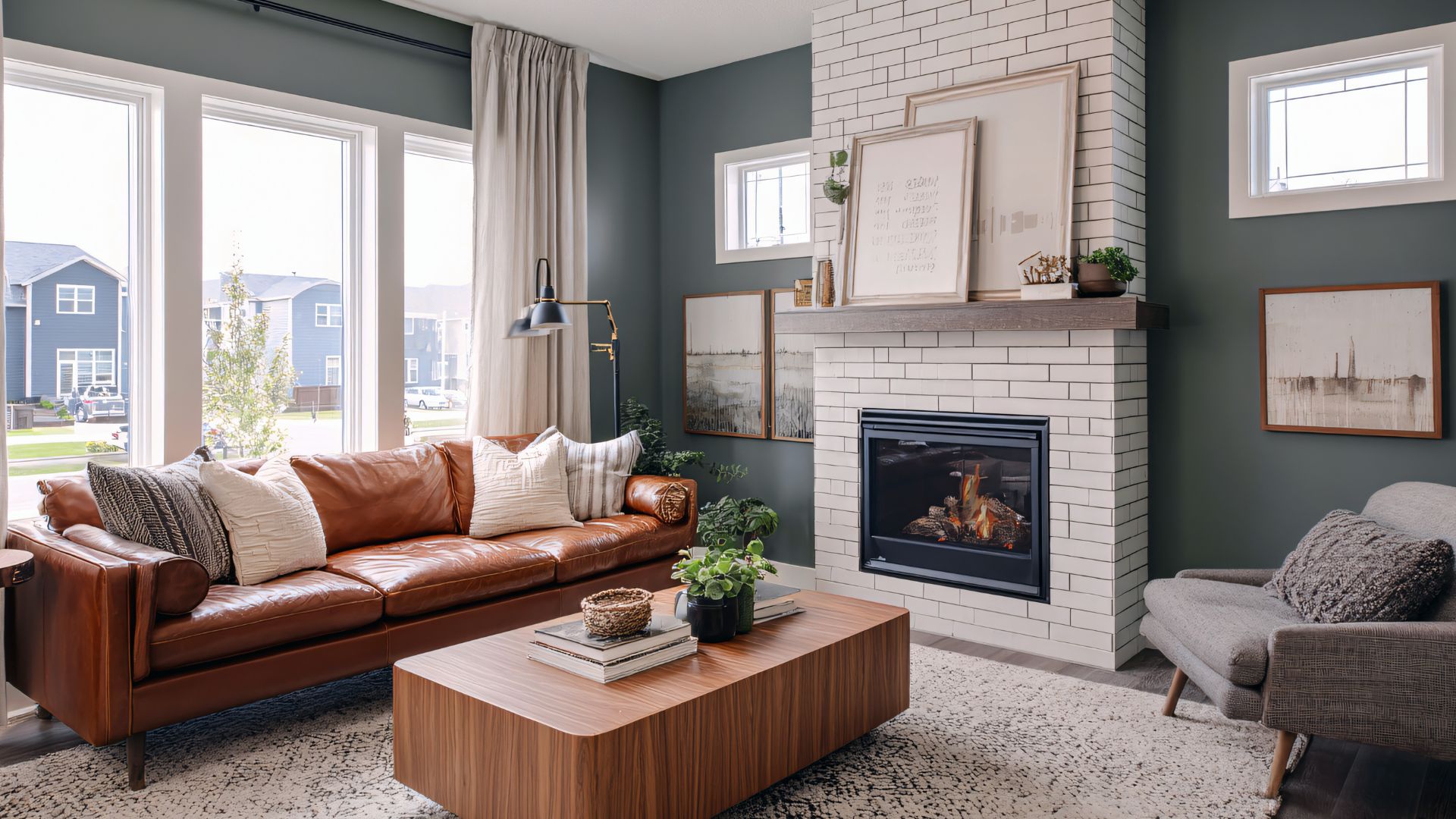
Coastal living design ideas focus on blending durable materials, light-filled spaces, and landscape strategies that respond to Rhode Island’s salt air, humidity, and four-season weather. This article shows how to choose color palettes, finishes, furniture, and landscape strategies that keep a beach house comfortable, resilient, and stylish. Readers will learn signature Rhode Island coastal home decor traits, practical steps to layer nautical influence without kitsch, seasonal maintenance advice to protect finishes, and sustainable landscape options for coastal yards.
The guide prioritizes design-first recommendations while also covering practical landscape considerations that support sustainable coastal properties. Expect actionable checklists and vendor-selection tips. Throughout, keywords like coastal living design ideas and beach house interior design, Rhode Island, are woven into the guidance to help you plan both interiors and exterior systems.
What Are the Key Elements of Coastal Style Homes in Rhode Island?
Coastal style homes in Rhode Island emphasize natural light, resilient materials, a muted sea-glass palette, and a strong indoor-outdoor connection that withstands salt and humidity. The defining mechanism is selecting finishes and layouts that channel ventilation and daylight while minimizing corrosion and moisture damage, producing homes that feel airy yet durable. The practical benefit is comfortable, low-maintenance living that maintains curb appeal near the shore. These elements work together to create spaces that feel relaxed but are built to resist coastal wear.
Coastal style essentials include:
- Open, airy layouts that prioritize views and cross-ventilation for humidity control.
- Materials that resist salt corrosion and moisture, including moisture-tolerant woods and protective finishes.
- A color palette of soft neutrals, sea-glass blues, and sandy grays that reflect light and calm interiors.
- Indoor-outdoor integration through patios, durable flooring transitions, and coastal planting that buffers wind and salt.
These core elements lead naturally into how subtle nautical touches can enhance ocean-inspired interiors without overwhelming the space.
How Do Nautical Design Elements Enhance Ocean-Inspired Interiors?
Nautical elements enhance coastal interiors by signaling maritime reference through texture, proportion, and restrained motifs rather than literal theming. Subtle touches—such as rope-wrapped pendant details, matte brass hardware with corrosion-resistant coatings, and proportioned stripes—introduce maritime character while preserving sophistication. The mechanism is scale and material choice: small nautical accents create coastal resonance without kitsch, and corrosion-resistant finishes prolong hardware life near salt air. Tasteful nautical accents encourage a layered design approach that connects decor to place while keeping durability central.
Carefully placed nautical elements work best when they complement, rather than dominate, the core palette and durable material choices that define Rhode Island coastal home decor.
Which Materials and Colors Define Rhode Island Coastal Home Decor?
Materials for Rhode Island coastal homes prioritize moisture tolerance and corrosion resistance alongside aesthetic warmth. Select paints with mildew-resistant formulas, engineered hardwood or wide-plank floors with protective coatings, and performance textiles such as treated linen or acrylic blends to resist humidity and UV fading. The color palette centers on soft neutrals and sea-glass hues—muted blues, driftwood grays, and sandy beiges—that reflect daylight and visually expand rooms. Maintenance implications include periodic protective finish reapplication, routine cleaning to remove salt residue, and choosing metal finishes rated for coastal exposure.
Material choices and color decisions together reduce long-term maintenance while reinforcing a relaxed, beach-inspired ambiance that suits Rhode Island’s climate.
How Can You Incorporate Beach House Interior Design Ideas for a Relaxed Coastal Ambiance?

Incorporating beach house interior design in Rhode Island means arranging spaces to maximize natural light, prioritizing durable but comfortable furnishings, and layering textures to create a relaxed, lived-in feel. The mechanism is deliberate layering: base durable surfaces, then add soft textiles and curated accessories that evoke the shore. The result is interiors that balance comfort, practicality, and coastal character without sacrificing long-term performance. Below are focused steps to translate coastal living design ideas into a cohesive plan.
Practical steps for a relaxed coastal interior:
- Orient furniture toward light and views: Arrange seating to maximize sightlines to the water and create channels for cross-ventilation.
- Choose durable upholstery: Use slipcovered or performance fabrics that are easy to launder and tolerate humidity.
- Layer natural textures: Incorporate linen, jute rugs, and painted wood to add tactile depth without heavy color.
- Curate accessories: Select a few meaningful coastal objects or art pieces rather than many small nautical trinkets.
Following these steps produces a calm, cohesive interior where materials, scale, and texture collectively support coastal living design ideas for Rhode Island beach houses.
What Furniture Styles Best Suit Coastal Living Spaces in Rhode Island?
Furniture for Rhode Island coastal homes emphasizes comfortable, relaxed silhouettes with finishes chosen for durability in a salt-air environment. Slipcovered sofas and deep-seated lounge chairs provide washable, resilient upholstery options; painted or whitewashed wood pieces and synthetic wicker offer classic coastal looks with easier maintenance. Select pieces sized for open-plan rooms—lean toward lower profiles and generous proportions that enhance sightlines to water and light. Prioritize finishes and hardware rated for coastal exposure to reduce corrosion and prolong the life of heirloom or locally sourced furniture.
Mixing casual, washable fabrics with locally crafted wood or vintage finds yields a layered, authentic coastal aesthetic that responds to both comfort and coastal durability concerns.
How to Use Textiles and Accessories to Reflect Coastal Themes?
Textiles and accessories convey a coastal mood through color, scale, and material while allowing seasonal updates with low cost and effort. Use natural fibers like linen and cotton for curtains and throw covers, and choose rugs made from jute or synthetic fibers that resist mold and dry quickly after dampness. Accessory curation should focus on larger anchor pieces—statement art, a substantial mirror, or a handcrafted driftwood table—rather than many small nautical knick-knacks, which can feel cluttered. Climate-proof textiles by selecting fade-resistant treatments and by storing delicate items during off-season storms to reduce salt-related wear.
Layering textiles with attention to maintenance ties indoor comfort to the exterior landscape and supports long-term coastal living design goals.
What Are Practical Tips for Maintaining Coastal Style Homes in Rhode Island?
Practical maintenance for coastal homes focuses on scheduled prevention against salt, humidity, and storm exposure to protect finishes and systems. The mechanism is proactive maintenance—seasonal cleaning, protective coatings, HVAC and ventilation checks—that reduces corrosion and moisture-related issues and preserves aesthetic choices. Benefits include extended material lifespan, fewer emergency repairs, and steady interior comfort through Rhode Island’s variable seasons. The checklist below provides essential seasonal actions homeowners can adopt to protect ocean-inspired interiors and exteriors.
Seasonal maintenance checklist:
- Spring: Rinse salt from exterior surfaces, inspect finish coatings, and test dehumidification systems.
- Summer: Clean and service ventilation, monitor for mildew, and refresh protective sealants where needed.
- Fall/Winter: Winterize outdoor systems, secure loose exterior elements, and prepare HVAC and dehumidifiers for heavy-duty operation.
These seasonal tasks reduce cumulative damage and point to specific areas that benefit from professional service when beyond the typical DIY scope.
Below is a practical table mapping common coastal risks to recommended maintenance actions and whether a homeowner can handle them or should consult a professional.
| Coastal Risk | Recommended Action | DIY or Professional |
| Salt build-up on siding and hardware | Gentle rinsing and reapplication of protective sealant annually | DIY (sealant), Professional for corroded hardware |
| Humidity-driven mildew and staining | Run dehumidifiers, clean with mild fungicide, and inspect vents | DIY for cleaning, Professional for HVAC adjustments |
Summary: Prioritize regular cleaning, protective finish maintenance, and timely professional intervention to preserve both interior finishes and exterior systems.
How to Protect Ocean-Inspired Interiors from Rhode Island’s Climate?
Protecting interiors in Rhode Island relies on managing moisture and selecting finishes that tolerate salt and humidity while maintaining indoor air quality. Begin with effective ventilation and dehumidification strategies to reduce mold and material degradation, and choose corrosion-resistant hardware and fixtures for longevity. Regular cleaning to remove salt residue from entryways and surfaces prevents long-term staining and finish failure. Call a professional for HVAC modifications, ventilation upgrades, or persistent moisture problems that exceed simple DIY measures.
These measures combine to protect ocean-inspired interiors by addressing the underlying causes—moisture and salt—rather than only treating surface symptoms.
Where to Find Inspiration and Resources for Rhode Island Coastal Home Decor?

Inspiration for Rhode Island coastal home decor comes from local artisans, visual platforms, and suppliers offering durable coastal materials, plus landscape professionals who understand seaside conditions. The mechanism for effective resource selection is vetting portfolios for prior coastal projects, confirming material durability, and asking about corrosion-resistant options and installation practices. The benefit is sourcing items and services that match both aesthetic goals and coastal performance requirements. Below are resource categories and selection tips to guide sourcing.
Local and online resource categories:
- Millworkers and carpenters: Commission custom entryways or window trim using moisture-tolerant woods and finishes.
- Upholstery and textile shops: Find performance fabrics and treatments suited to humid environments.
- Marine hardware suppliers: Source corrosion-resistant hardware for doors and exterior fixtures.
Intro to vendor-selection list: Use visual platforms to build a lookbook, then vet local artisans by asking for references and coastal-specific examples. Summary: Combine online inspiration with local specialists to translate ideas into durable Rhode Island coastal home decor solutions.
What Local Artisans and Suppliers Offer Coastal Design Elements?
Local specialists—millworkers, custom upholsterers, and marine hardware suppliers—provide materials and craftsmanship tailored to coastal exposures and bespoke design details. Commissioning custom millwork allows selection of moisture-tolerant species and protective finishes, while local upholstery shops can apply performance treatments to slipcovers and cushions for humidity resistance. Marine hardware vendors supply stainless or coastal-grade fittings that preserve hardware aesthetics while resisting corrosion. Vet vendors by asking for coastal project examples and maintenance recommendations to ensure longevity.
Sourcing locally often yields better customization and responsiveness for seasonal maintenance needs and helps integrate interior finishes with exterior landscape choices.
How to Use Online and Community Resources for Coastal Living Ideas?
Online platforms and community groups are valuable for collecting visual ideas and finding vetted contractors, but effective use requires structured searches and validation steps. Create boards that focus on materials and moods rather than literal themes, then save vendor portfolios and note which pieces specify coastal-grade materials. When contacting contractors, ask targeted questions about experience with salt-exposed projects. Local community workshops, design centers, and neighborhood groups can recommend specialists familiar with Rhode Island’s climate.